
Winter Safety for Seniors: Practical Ways to Stay Warm, Connected, and Prepared
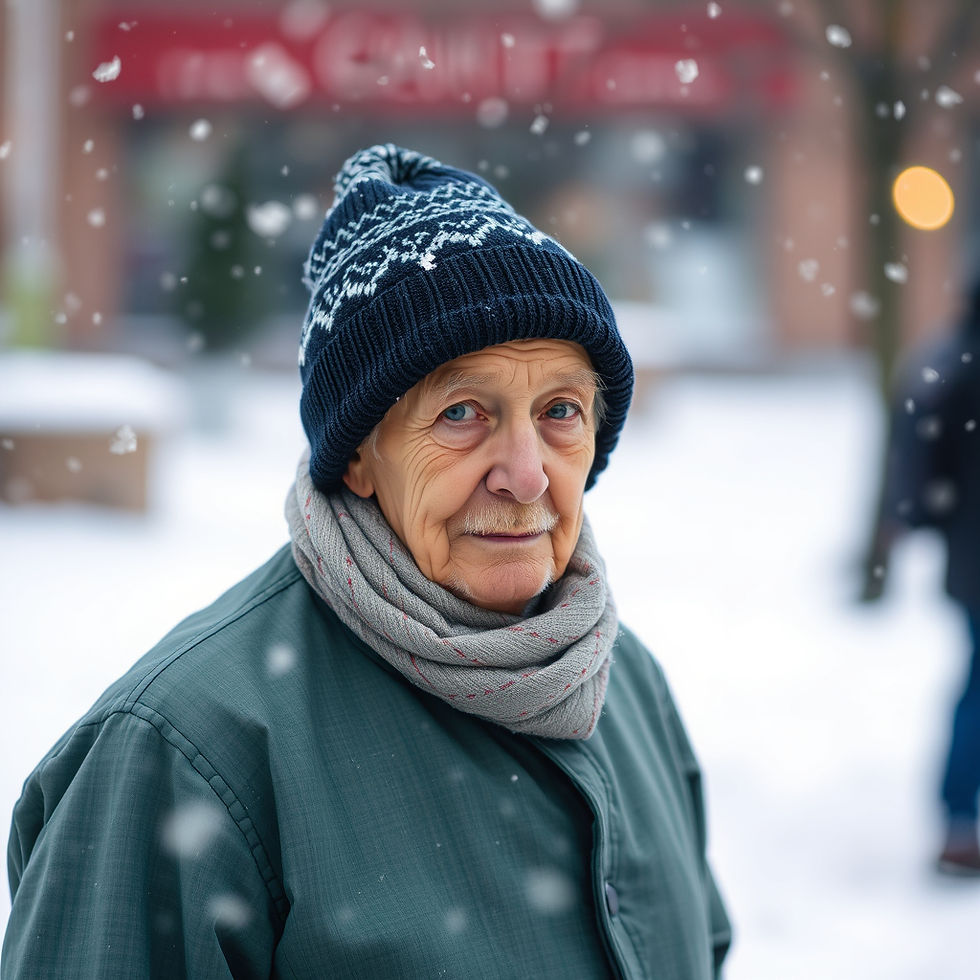
Winter can be a beautiful season. For older adults and the families who care for them, it also brings real risks. Cold temperatures, icy conditions, power outages, and increased isolation can quickly turn everyday routines into safety concerns.
Whether you are a senior yourself or supporting a loved one, thoughtful preparation can make winter safer, calmer, and more manageable. Here are four practical ways to protect health and well-being during the colder months.
1. Stay Warm Indoors and Out
As we age, our bodies may not regulate temperature as efficiently, making it harder to notice when we are too cold. Hypothermia can occur when body temperature drops below 95°F. It does not only happen outdoors.
To reduce risk:
Keep indoor temperatures at 65–70°F or higher
Dress in warm layers, even indoors and while sleeping
Limit time outdoors during extreme cold
Be mindful of alcohol intake, which can increase heat loss
Small adjustments, such as extra blankets or warm socks, can have a big impact on comfort and safety.
2. Tread Carefully on Ice and Snow
Slippery sidewalks and icy driveways pose a serious fall risk, especially for older adults. Falls are a leading cause of injury for people over 65, and recovery can be long and difficult.
Helpful precautions include:
Wearing shoes with non-skid soles
Using assistive devices with winter attachments, such as ice grips for canes
Avoiding unnecessary outings until walkways are cleared
Removing wet shoes immediately after coming inside to prevent slippery floors
Planning errands and appointments around weather conditions can help reduce unnecessary risk.
3. Prepare for Winter Emergencies
Winter storms can cause power outages, travel disruptions, and unsafe indoor conditions. Preparation ahead of time can prevent emergencies from becoming crises.
Consider:
Installing and checking carbon monoxide detectors
Keeping flashlights, batteries, blankets, and non-perishable food accessible
Preparing a winter car kit that includes blankets, a phone charger, and emergency supplies
Having a plan for where to go if power is out for an extended period
It is also helpful to make sure important information, such as medications, emergency contacts, and care instructions, are easy to access and share if needed.
4. Stay Socially Connected
Colder months often mean less social interaction, which can increase feelings of loneliness or depression. Staying connected is just as important as staying warm.
Ways to stay engaged:
Schedule regular phone or video check-ins with family or friends
Rotate short visits with neighbors or loved ones
Share meals, watch a movie together, or play simple games
Focus on nutrition. Foods rich in vitamin D, such as fortified dairy, tuna, and salmon, may support mood and cognitive health
Consistent communication provides reassurance for seniors and for those caring for them.
A Final Thought
Winter safety is not just about reacting to emergencies. It is about planning, communication, and having systems in place before something goes wrong. When information is organized and shared, families can respond faster and feel more confident navigating seasonal challenges together.
With a little preparation, winter can remain a season of comfort, connection, and peace of mind.

Comments